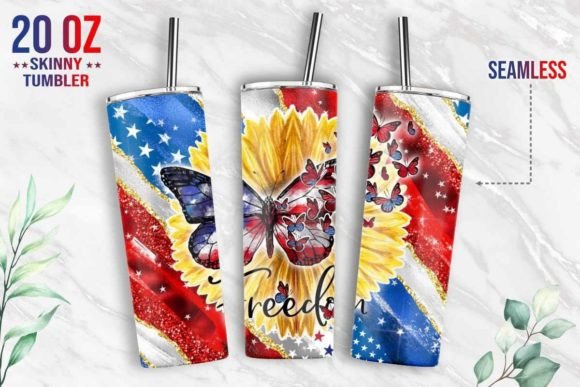
Butterfly 4th of July Sunflower Tumbler
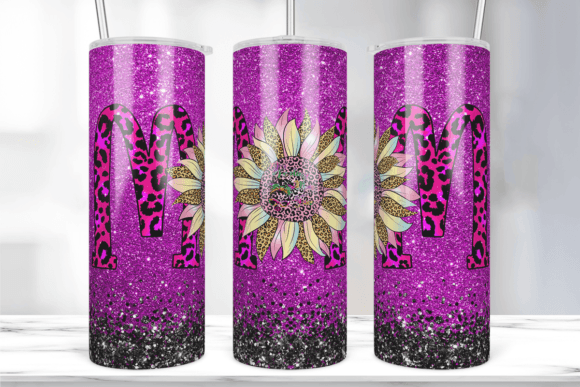
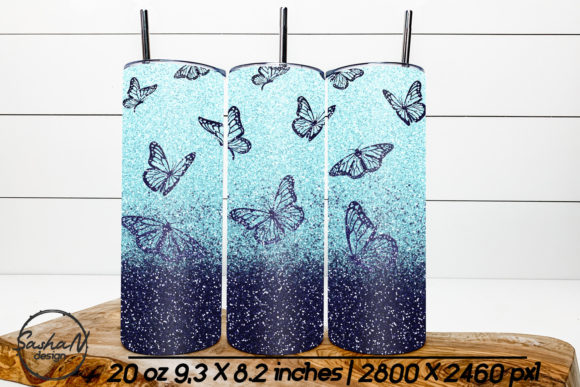
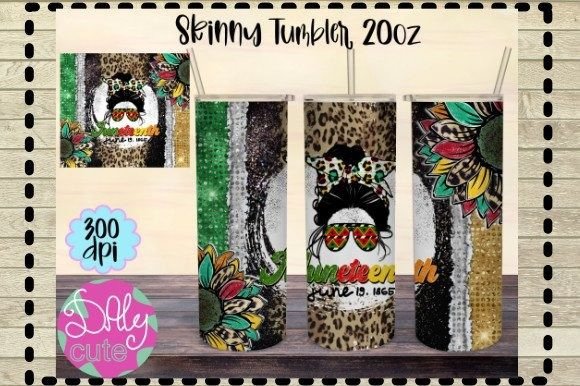
Let’s be real: when you’re prepping for a summer craft fair or building your Etsy embroidery shop’s holiday collection, you don’t just need *any* patriotic design—you need one that stitches cleanly, reads clearly at a glance, and feels handmade without looking overworked. I pulled up Butterfly 4th of July Sunflower Tumbler last week while prepping a batch of custom embroidered tote bags for a local boutique—and right away, I noticed how it walks the line between festive and refined.
A Design That Breathes—Not Overwhelms
The first thing that struck me wasn’t the red, white, and blue—it was the space. Unlike many holiday templates that cram stars, stripes, and florals into every pixel, this one gives the sunflower room to bloom and the butterfly room to flutter. The composition leans slightly diagonal, which adds movement without sacrificing stability in the hoop. It’s not symmetrical—but it *feels* balanced. That matters when you’re stitching on a curved surface like a tumbler sleeve (yes, even if you’re adapting it for embroidery) or a baby onesie where visual weight shifts with fabric drape.
I tested it as a centered chest motif on a lightweight cotton sweatshirt. At 3.5 inches wide, it landed perfectly—not too small to lose detail, not so large it swallowed the garment. The sunflower’s center has subtle texture implied in the vector lines, and the butterfly wings carry gentle curvature cues that translate well into satin stitch flow. No jagged edges, no micro-details that’ll vanish under thread. That’s rare in Print Templates meant for sublimation—it means the designer thought beyond screen display and considered stitch behavior.
Where It Shines (and Where It Needs Care)
Shines:
- Tote bags & tea towels: The open layout holds up beautifully on medium-weave linen-cotton blends. I used a light cutaway stabilizer and got crisp petal definition without puckering.
- Baby items & nursery decor: Softened thread palette (ivory, sage, terracotta instead of stark red) made it feel warm and ageless—not just “4th of July.” Works especially well on organic cotton burp cloths and pillow covers.
- Embroidered patches: Clean outer edge + moderate density = easy tear-away backing removal. I ran it as a borderless patch on twill, and the satin-stitched butterfly wing held its shape after washing.
- Small shop merchandise: It scales down to 2.75" without losing legibility—ideal for aprons, cap brims, or pocket accents. Customers consistently comment on how “thoughtful” it looks—not generic.
Needs care:
- Stretchy fabrics: Skip it for performance knit tees unless you add a firm fusible + topping. The wingtips and sunflower petals have fine terminations that can distort.
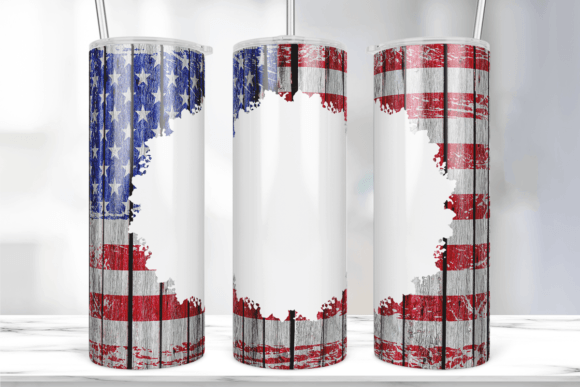
- Dark or textured backgrounds: The glitter-flag motif relies on contrast. On charcoal French terry or bouclé, the subtle starburst around the sunflower faded. Test with white underlay or adjust fill stitch density manually.
- Caps & curved seams: Avoid placing the full design across a crown seam. Instead, use just the butterfly or sunflower as a standalone motif—its proportions hold up better in isolation.
- Frequent-wash items: While the stitch density is moderate, avoid dense fill areas near high-friction zones (like bag handles). A quick run on scrap fabric with your intended thread count revealed slight nesting in the sunflower center—easily fixed with a 10% density reduction.
What It Says About Your Brand—Before a Single Stitch
Here’s what I tell my clients: Butterfly 4th of July Sunflower Tumbler doesn’t scream “holiday sale.” It whispers “carefully made.” That distinction builds trust—especially for Etsy sellers and boutique owners who rely on repeat buyers and word-of-mouth. When someone sees this on a hand-embroidered kitchen towel, they don’t think “mass-produced clip art.” They think “this person chose something with intention.”
It also plays well across audiences. Grandparents love the sunflower’s nostalgia; teens respond to the butterfly’s lightness; new parents appreciate how it avoids cliché while still feeling celebratory. That versatility makes it a smart investment—not just for July, but for spring markets, baby showers, and small-batch gift boxes year-round.
Practical Designer Notes You’ll Actually Use
Before stitching your first piece:
- Test on scrap fabric—not just the same fiber, but the same weight and finish. I caught a slight pull on my bamboo-cotton blend that didn’t show on quilting cotton.
- Check thread color contrast in natural light. Some reds pop on screen but mute on fabric. Try a cream base with burgundy thread—it deepens the warmth without shouting.
- Review stitch density in your embroidery software. If your machine defaults to high-density fills, reduce sunflower center by 15% and butterfly body by 10% for smoother coverage.
- Confirm hoop size compatibility. This design fits comfortably in a 4x4 hoop—but if you’re using a 3.5x3.5 for tiny projects, crop the outermost leaves or simplify the stem.
- Inspect small details at 200% zoom: wing veins, petal tips, flag fringe. All are present but generous—not fragile. Good sign for commercial embroidery.
- Mock it up in black and white first. Does the silhouette still read? Yes—it does. That’s your cue it’ll translate well to monochrome branding or low-thread-count embroidery.
- Use proper stabilizer: medium-weight cutaway for stable wovens, tear-away + topping for knits. Skip basic tear-away alone—it won’t support the wing span.
- Verify licensing before listing finished products or digital embroidery files. Since this is a Graphics download labeled for sublimation, confirm whether commercial embroidery rights are included—or if you need separate permission.
In short: Butterfly 4th of July Sunflower Tumbler isn’t just another holiday template. It’s a quietly confident design asset—one that supports your craftsmanship instead of competing with it. Whether you’re stitching personalized gifts, building a craft business, or refining your signature style, it earns its place in your embroidery project queue—not because it’s flashy, but because it’s thoughtful, adaptable, and genuinely ready for real fabric, real machines, and real customers.