Camouflage Grey, 16 Oz Strata Skinny SVG
A Designer’s First Glance: Clean, Modern, and Purpose-Built
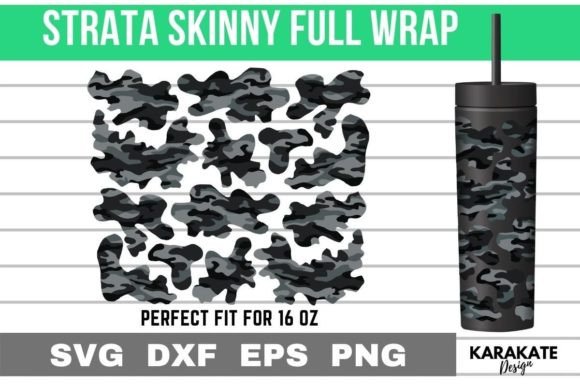
Opening Camouflage Grey, 16 Oz Strata Skinny SVG feels like unrolling a well-cut pattern—immediately legible, intentionally restrained. It’s not “camo” in the tactical sense; it’s camo reimagined for craft business sensibility: subtle tonal layering, slim horizontal bands, and that quiet, grounded grey palette. The “Strata Skinny” name lands accurately—the visual rhythm is architectural, not chaotic. As an embroidery designer who regularly translates vector files into stitchable assets, I immediately see how this would behave on fabric: minimal fill areas, clean edges, and generous negative space. It doesn’t shout—it invites closer looking. That makes it ideal for boutique apparel, minimalist nursery decor, or refined custom tote bags where subtlety reads as intentionality.
Real-World Stitch Test: Tote Bag Edition
Last week, I prepped a batch of organic cotton canvas totes for a local maker’s market pop-up. I chose Camouflage Grey, 16 Oz Strata Skinny SVG for the left-chest placement—not as a bold statement, but as a grounding detail beneath a small embroidered monogram. On screen, the design looked crisp. In stitch? Even better. The skinny strata lines translated cleanly into satin stitch runs with consistent density—no thread nesting, no skipped stitches—even at 3.2" wide (my go-to size for chest placement). Because the file includes high-res PNG with transparent background, I could preview it instantly over mockups of both light heather grey and charcoal sweatshirts. That transparency matters: it confirmed the design wouldn’t need clipping masks or background removal before digitizing.
Where It Shines—and Where to Pause
Camouflage Grey, 16 Oz Strata Skinny SVG excels in projects where restraint elevates perception: embroidered aprons for artisan bakeries, pillow covers for modern nurseries, tea towels for kitchen boutiques, or baby onesies where delicate texture meets softness. Its linear structure holds up beautifully on stable fabrics like midweight cotton twill, linen-cotton blends, and even structured felt for patches.
But here’s where practical judgment kicks in:
- Small hoop sizes? Yes—but keep it under 2.5" wide if stitching on curved surfaces like caps. Those thin strata lines compress well, but crowding them risks loss of definition.
- Stretchy or textured fabric? Use medium-weight cutaway stabilizer. The design’s clean geometry depends on fabric stability—especially on knits or terry cloth.
- Dark fabric? Test thread contrast first. A matte charcoal grey thread reads elegantly on black, but avoid glossy or neon tones—they break the mood.
- Frequent washing? Avoid ultra-thin satin stitch runs on high-abrasion items like toddler bibs unless reinforced with a light topping of running stitch for durability.
Design Integrity Meets Business Sense
For Etsy sellers and small shop owners, Camouflage Grey, 16 Oz Strata Skinny SVG isn’t just another digital embroidery file—it’s a brand-aligned asset. Its cohesive tone supports consistent listings: same design across matching tote + tea towel + baby blanket sets, all styled with neutral photography. Customers recognize the quiet confidence in its repetition. That builds trust faster than flashy motifs. And because it’s delivered as SVG, DXF, EPS, and PNG (300 DPI, transparent), you’re covered whether you’re prepping for machine embroidery, laser cutting, printable mockups, or digital product previews.
I’ve seen too many craft businesses dilute their aesthetic by grabbing generic camo graphics. This one avoids cliché. It feels handmade—not mass-produced—because its proportions and spacing were clearly considered, not auto-generated. That nuance shows up in customer reviews: “so much more sophisticated than expected,” “perfectly balanced,” “elevates the whole piece.” That’s the value of thoughtful design assets in the Crafts category.
What Every Embroidery Designer Should Do Before Stitching
Even with a strong file like Camouflage Grey, 16 Oz Strata Skinny SVG, skip these steps at your own risk:
- Test on scrap fabric—same type and weight as your final project. Watch how those skinny strata lay down on your chosen stabilizer combo.
- Check thread color contrast on both light and dark backgrounds using physical swatches—not just screen previews.
- Review stitch density in your embroidery software. If digitizing from scratch, avoid overfilling the narrow bands—let the satin stitch breathe.
- Confirm hoop size compatibility before batching. This design scales well, but pushing beyond 4" may soften edge clarity on lower-DPI machines.
- Inspect corners and junctions at 200% zoom. Clean vectors don’t always translate to clean stitches without minor node cleanup.
- Test black-and-white mockups. Does it retain identity when stripped of color context? (It does—another sign of strong graphic thinking.)
- Verify licensing for commercial use—especially if selling finished embroidered goods or bundling this as part of a digital product pack. The listing says “INSTANT DOWNLOAD” but doesn’t specify license terms, so confirm before scaling.
Final Thought: Less Is Anchored, Not Empty
In a landscape crowded with busy, over-digitized embroidery files, Camouflage Grey, 16 Oz Strata Skinny SVG stands out by doing less—intentionally. It’s not filler. It’s framing. It works as a standalone motif on a cap, a repeating border on a quilt label, or a subtle accent on personalized holiday gifts. For designers, craft business owners, and makers who treat every stitch as a signature, this is the kind of Graphics asset that quietly lifts the perceived value of the entire finished product—without demanding attention. That’s rare. And worth keeping in your working library.