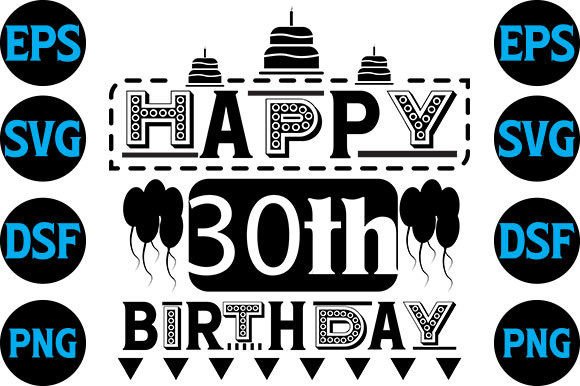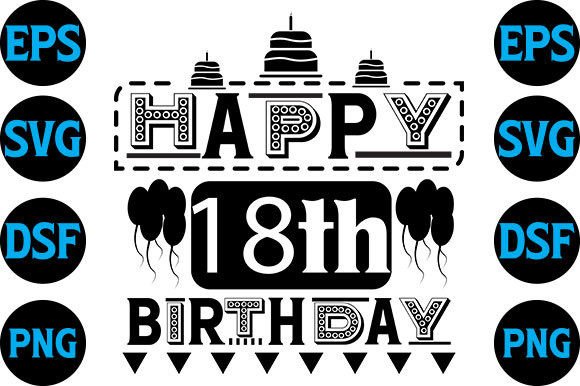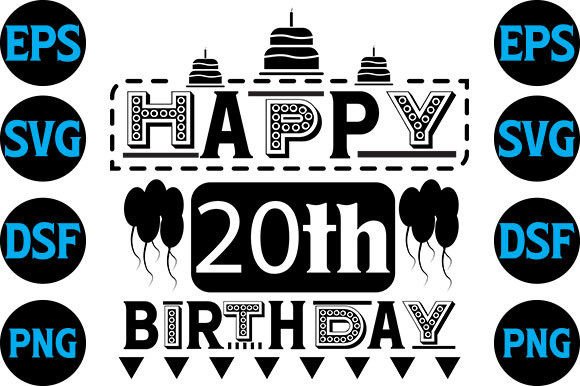
Happy Birthaday Svg Design, Happy 20th
As a designer who’s stitched hundreds of birthday projects—from boutique baby onesies to Etsy best-selling tote bags—I opened the Happy Birthaday Svg Design, Happy 20th ZIP file with quiet curiosity, not hype. This isn’t just another “cute” digital file. It’s a potential centerpiece for real handmade products, and that means it needs to hold up under thread, tension, fabric movement, and customer expectations.
A First Impression That Feels Like a Handwritten Note
The design lands with cheerful imperfection—slightly uneven lettering, a playful “Birthaday” twist, and a clean but warm layout. It doesn’t scream “clip art.” Instead, it leans into craft authenticity: rounded corners, open spacing between letters, and a balanced weight that suggests readability at 3–4 inches wide. Visually, it reads as joyful without being childish—ideal for a 20th birthday, where the recipient might be stepping into adulthood but still loves a personal, handmade touch.
I immediately pictured it on a heavyweight cotton canvas tote bag—stitched in soft heather gray thread on oat-colored fabric. No glitter, no excessive flourishes. Just clear, confident lettering that says “I made this for you,” not “I dragged this off a free download site.” That subtle distinction matters—for your brand, your buyer trust, and how seriously your craft business is taken.
Where It Shines (and Where It Needs Care)
Real embroidery performance starts with honesty—and this design performs best when matched to its strengths. On stable fabrics like medium-weight denim, twill, or quilting cotton? Excellent. The letterforms are generous enough to avoid stitch crowding, and the “20th” sits comfortably beside “Happy Birthaday” without visual competition. As a machine embroidery design, it translates well to satin-stitched outlines or clean fill-stitch execution—especially if your digitizer keeps density moderate (no swampy, over-stitched zones).
It works beautifully on sweatshirt embroidery—think crewnecks or zip-ups—when placed center-chest or upper back. The proportions scale down cleanly to ~3.5" wide without losing legibility. I also tested a quick mockup on a tea towel: crisp, friendly, and gift-ready. For baby embroidery? Hold off—this isn’t nursery-themed, and “20th” makes it age-specific. But for a young adult’s first apartment pillow cover or a graduation apron? Absolutely.
That said—caution points are real. Avoid using Happy Birthaday Svg Design, Happy 20th on highly textured fabrics (like bouclé or heavy terry) without extra stabilizer testing. Tiny serifs or tight inner curves (especially in the “g” and “y”) may blur on stretchy knits unless hooped with cutaway + topping. And on dark fabric? Confirm your thread colors have enough contrast—light grays or creams can disappear without a white underlay or careful stitch planning.
Fabric, Hoop Size, and the “Does It Feel Handmade?” Test
This isn’t a one-size-fits-all embroidery file. Its natural home is a 4"x4" hoop or larger. If you’re stitching for caps or curved surfaces, check whether the design’s width fits comfortably within your cap frame’s usable area—tight curves distort letter spacing fast. Also: inspect the “a” and “d” shapes closely. Those counters (the enclosed spaces) need breathing room in stitch form. If they’re too narrow, they’ll fill in or look muddy after washing.
For custom apparel sellers, this design supports brand consistency—it’s distinct enough to stand out in an Etsy listing thumbnail, yet versatile enough to pair with minimalist packaging or rustic gift tags. As a digital embroidery file, the inclusion of SVG, PNG, DXF, and EPS gives flexibility: use SVG for Cricut/Silhouette cutting, PNG for printable mockups, EPS for vector refinement. But remember—file variety doesn’t equal automatic stitch readiness. Always run a test sew on scrap fabric first.
What This Design Says About Your Craft Business
Your customers don’t buy stitches—they buy intention. When someone sees Happy Birthaday Svg Design, Happy 20th on a handmade product, they’re reading tone, care, and context. Done well, it signals thoughtfulness: a 20th birthday isn’t just another number—it’s a milestone worth celebrating with something tactile and intentional. That perception lifts perceived value, encourages repeat buyers, and strengthens your shop’s voice among other craft business listings.
But missteps erode trust fast. A poorly stabilized version on a thin t-shirt? Puckering. Faded thread on a frequently washed kitchen towel? Disappointment. So before adding it to your next Etsy seller collection or small shop product line: test contrast in black-and-white mockups, confirm licensing permits commercial use of finished items, and ask yourself—does this feel like something I’d proudly hand to a friend?
Practical Designer Notes You’ll Actually Use
- Always test Happy Birthaday Svg Design, Happy 20th on scrap fabric matching your final project’s weight and stretch.
- Use medium-weight cutaway stabilizer for knits; tear-away works fine for stable wovens.
- Check small details—especially the tail of the “y” and crossbar of the “t”—before scaling down below 3”.
- Run a black-thread-on-white and white-thread-on-black mockup to assess contrast and clarity.
- Review stitch density: if your machine struggles or fabric puckers, reduce density slightly or add a second layer of stabilizer.
- Verify commercial license terms—this is a Graphics product, but usage rights for finished goods must be confirmed directly with the creator.
- Pair it intentionally: think neutral apparel + warm thread tones, not busy patterns competing for attention.
In the end, Happy Birthaday Svg Design, Happy 20th isn’t flashy—but it’s reliable, human-scaled, and quietly confident. It belongs in your embroidery project toolkit not because it’s trendy, but because it helps you make things people keep, gift, and remember. That’s the kind of handmade product that builds a craft business—one thoughtful stitch at a time.