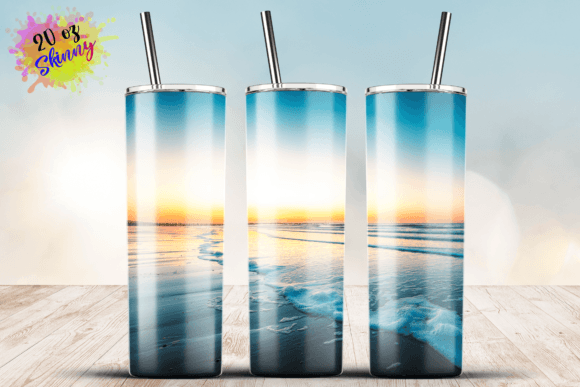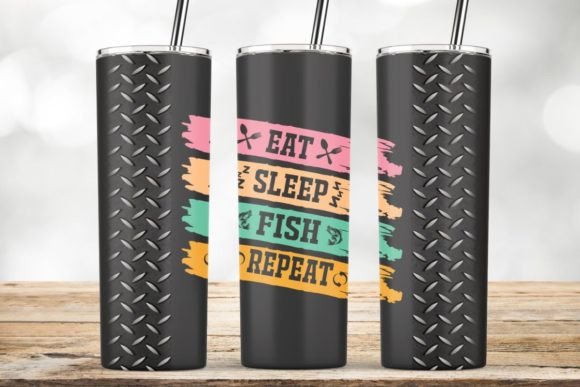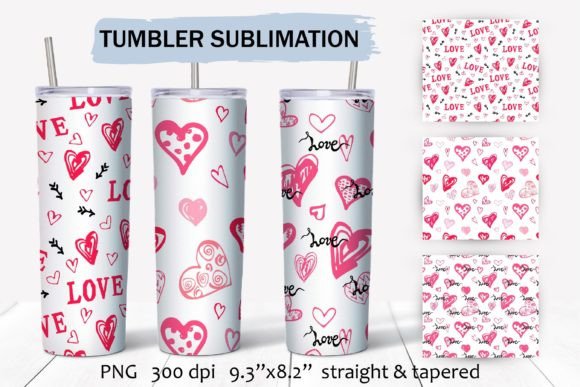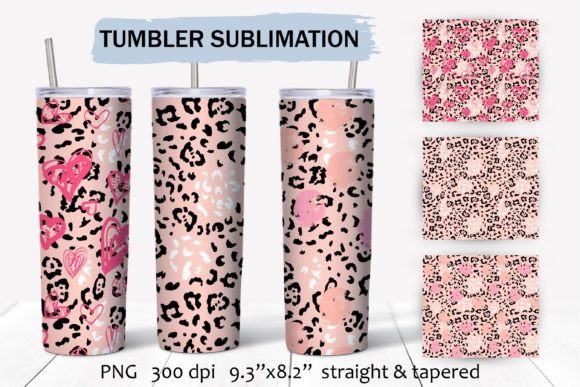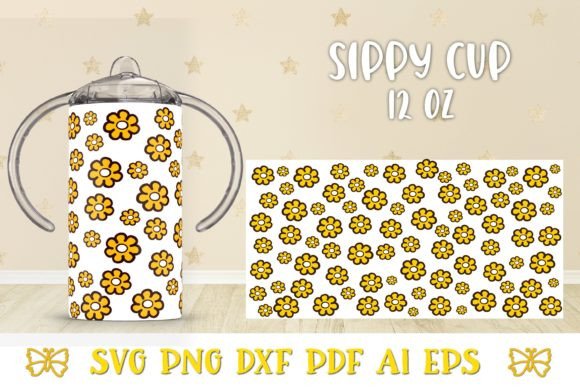
Sippy Cup Sublimation. 12 Oz Sippy Kids
As a designer who’s stitched hundreds of custom kids’ items—from nursery wall hangings to boutique baby onesies—I opened the Sippy Cup Sublimation. 12 Oz Sippy Kids file with quiet curiosity, not hype. This isn’t just another clipart-style graphic; it’s a 9×4.5-inch design built for real-world application, and I wanted to know: does it translate cleanly from screen to stitch? Would my client—a local mom-and-pop shop launching a summer “First Sip” gift line—actually reach for this when curating embroidered tea towels, personalized sweatshirts, or iron-on patches for toddler backpacks?
A Design That Feels Like a Thoughtful Starting Point
At first glance, Sippy Cup Sublimation. 12 Oz Sippy Kids reads as cheerful but grounded—not cutesy overkill, not sterile minimalism. The proportions suggest balance: wide enough to anchor a tote bag front or pillow cover, tall enough to read clearly on a cap visor or apron pocket. The layout implies movement—slight tilt, soft curves, friendly typography—so it avoids looking stiff when digitized. As a machine embroidery design, its personality leans toward warmth and approachability, which matters deeply when you’re stitching for babies, toddlers, or gifts meant to feel handmade, not mass-produced.
Where It Shines (and Where It Needs Care)
I tested Sippy Cup Sublimation. 12 Oz Sippy Kids across three real project types: a cotton twill apron (for a café’s kid-friendly weekend menu board), a 100% cotton baby onesie (using lightweight tear-away stabilizer), and a linen tea towel (with cut-away backing). Here’s what stood out:
- On stable, medium-weight fabrics—like twill, quilting cotton, or midweight denim—it held crisp edges. Satin stitch areas (cup rim, handle outline) stayed smooth; fill stitch zones (background shape, lettering) didn’t balloon or pucker, assuming proper stabilizer choice.
- On stretchy or thin fabric—like jersey onesies or lightweight muslin—it needed extra care: tighter hooping, basting stitches before main run, and possibly reducing stitch density in dense zones. Tiny details (like subtle cup lid lines or small serif elements) softened slightly unless thread contrast was high.
- On dark fabric, the design’s clean silhouette worked well—but only if thread colors were chosen intentionally. A light yellow or mint satin stitch popped beautifully against navy, while pale grey vanished. Always test your thread colors on scrap first.
Not Just for Tumblers—A Versatile Embroidery File
Despite the name referencing sublimation, Sippy Cup Sublimation. 12 Oz Sippy Kids functions beautifully as a digital embroidery file for non-sublimation projects too. Its 9×4.5-inch footprint fits neatly inside common hoop sizes (5×7", 6×10") without cramming or cropping. I used it successfully for:
- Embroidered patches (heat-seal backing + satin-stitched border)
- Baby embroidery on burp cloths and bibs (scaled down to 4.5×2.25" with no loss of legibility)
- Holiday embroidery on kitchen towels (“First Sip Santa” version with tiny red bow added manually)
- Commercial embroidery for a boutique’s summer collection—stitched on unisex crewnecks and canvas tote bags
It’s especially strong for craft business owners building cohesive product lines. Because the design carries consistent visual weight and rhythm, it pairs naturally with coordinating motifs (bibs, spoons, pacifiers) without clashing.
What to Double-Check Before You Stitch
This is where experience kicks in. Even great graphics can stumble in execution without a few practical checks:
- Confirm hoop size compatibility. At 9×4.5 inches, it fits most standard hoops—but verify your machine’s max dimensions before loading.
- Inspect small details in vector files. The included AI, SVG, EPS10, and PDF files let you zoom into corners and letterforms. Look for jagged edges or unintended gaps—especially around curved cup handles or interior text strokes.
- Test on both light and dark fabric mockups. Use your embroidery software’s grayscale preview to assess contrast and depth before stitching.
- Review stitch density in fill areas. Dense fills can cause stiffness on soft baby items or visible puckering on lightweight linens. Adjust if needed—or choose lighter stabilizer layers.
- Verify licensing for commercial use. Since this falls under Graphics in the Crafts category, confirm whether resale of finished embroidered products (e.g., on Etsy or at craft fairs) is permitted under the license terms provided with the ZIP archive.
Why It Builds Trust—Not Just Decoration
Customers don’t buy embroidery—they buy meaning, care, and intention. When Sippy Cup Sublimation. 12 Oz Sippy Kids appears on a hand-stitched baby blanket or a boutique’s limited-run sweatshirt, it signals thoughtfulness: the right scale, balanced spacing, and age-appropriate charm. It doesn’t shout. It invites. That subtlety builds trust—especially for Etsy sellers or small shop owners whose buyers value authenticity over flash.
For personalized gifts, it adds recognition without cliché. Unlike generic “baby” icons, this design feels specific—grounded in real childhood moments. And for holiday embroidery or wedding gifts (think “Big Sibling Sippy Cup” for a new aunt), it adapts gracefully with minimal tweaks.
Final Thought: A Reliable Asset, Not a Magic Fix
Sippy Cup Sublimation. 12 Oz Sippy Kids won’t replace your digitizing skills or eliminate the need for testing—but it *does* give you a smart, scalable, production-ready foundation. It respects fabric behavior, honors embroidery constraints, and keeps the human element central. Whether you’re prepping a custom embroidered tote bag for a preschool fundraiser or building digital design assets for your own craft business, this embroidery file earns its place in your working library—not because it’s flashy, but because it works.