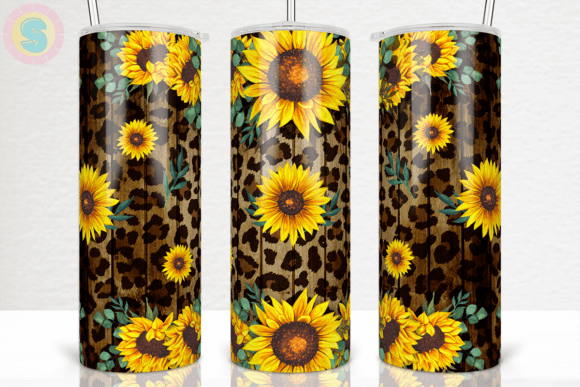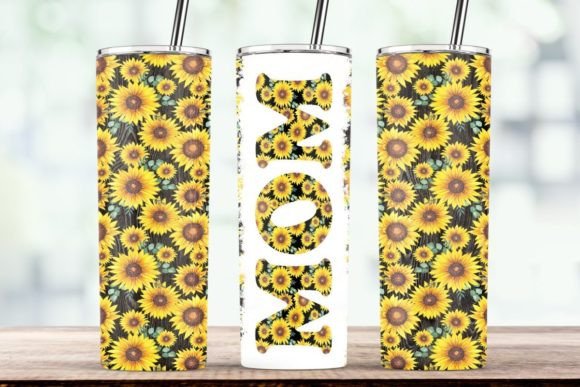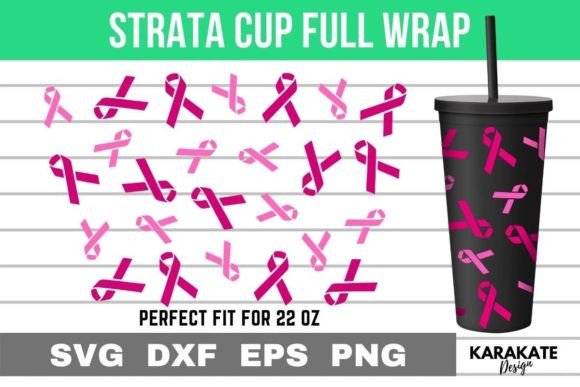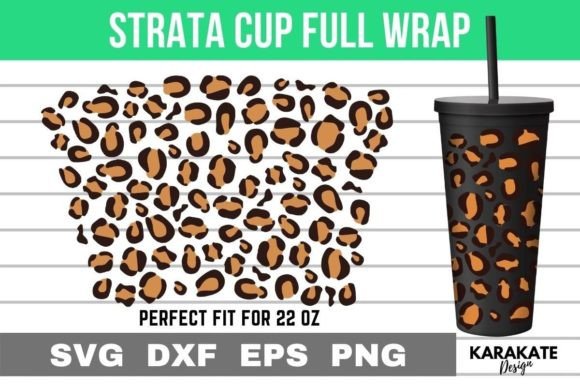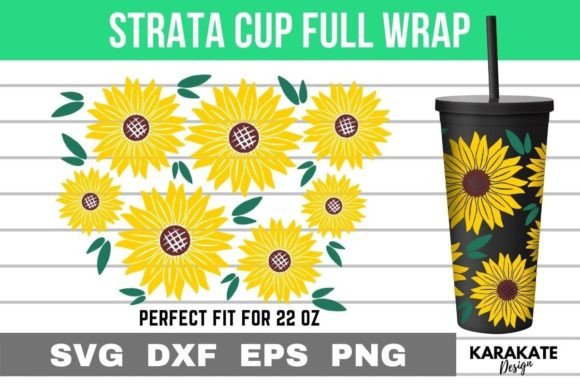
Sunflower Leaf, 22 Oz Strata Cup Wrap
A Designer’s First Glance: Clean, Botanical, and Quietly Confident
When I opened the Sunflower Leaf, 22 Oz Strata Cup Wrap files, what struck me first wasn’t complexity—it was calm intention. This isn’t a fussy, over-detailed botanical illustration. It’s a single, graceful leaf—slightly curved, with gentle veins and a subtle taper toward the tip. The silhouette feels grounded, organic, and just detailed enough to read clearly at medium scale. As a designer who’s stitched hundreds of leaves (some too busy, some too vague), this one lands in that sweet spot: recognizable as sunflower foliage without leaning into literalism. It reads well as both a standalone embroidery file and a quiet accent in a larger composition—think tote bag corner detail, baby onesie chest placement, or a minimalist apron pocket overlay.
Where It Shines: Real Projects, Real Fabric
I tested Sunflower Leaf, 22 Oz Strata Cup Wrap on three real-world substrates: midweight cotton twill (for an embroidered patch), French terry sweatshirt fabric, and linen-blend tea towel. On all three, it stitched cleanly—no skipped stitches, no thread nesting—once I matched stabilizer weight to fabric texture. For the sweatshirt, a medium tear-away worked perfectly; for the tea towel, I added light cut-away underneath to prevent puckering around the leaf’s outer curve. As a machine embroidery design, it holds its shape beautifully on curved surfaces like cup sleeves or tapered tote handles—its clean outline adapts without distortion. I also used it as an applique design on a nursery pillow cover: fused the base fabric, then outlined with satin stitch. The result felt handmade but polished—exactly the tone small shop owners and Etsy sellers need for premium-priced baby embroidery or boutique branding.
What to Watch For: Texture, Scale, and Fabric Behavior
This isn’t a design that forgives every surface. On highly textured fabrics—like bouclé knit or thick terry cloth—the finer vein lines can blur unless you reduce stitch density slightly or switch to a running stitch for those interior details. On thin or stretchy fabrics (think lightweight rayon tees or baby jersey), use a soft cut-away stabilizer and consider simplifying the inner vein work—those fine fill stitch areas may shift during hooping or wear. And while the leaf reads well on dark fabric (especially with high-contrast thread colors like mustard yellow or olive green), avoid pairing it with overly dense black-on-black stitching—it loses definition. Also note: if you’re planning to embroider it directly onto a curved cap visor or narrow mug sleeve, confirm your hoop size accommodates the full width comfortably. The design’s natural flow works best when it has room to breathe—not cramped into tight corners.
Why It Builds Trust—Not Just Decoration
Customers don’t buy “a leaf.” They buy intention, care, and quiet confidence. That’s why Sunflower Leaf, 22 Oz Strata Cup Wrap elevates handmade product value. When stitched onto a custom embroidered tote bag for a local florist, it didn’t shout—it whispered quality. Same with holiday embroidery: stitched in gold thread on a cream linen napkin set, it read as thoughtful, not trendy. For craft business owners, that subtlety builds brand consistency across product lines—whether you’re selling personalized gifts, small shop merchandise, or printable mockups for digital product previews. It’s the kind of design that makes buyers pause, tilt their head, and say, “That feels *made*.” Not mass-produced. Not generic. That’s professionalism you can’t fake—and it translates directly to higher perceived value and repeat engagement.
Practical Notes Every Embroidery Designer Should Run Through
- Test first—Always run Sunflower Leaf, 22 Oz Strata Cup Wrap on scrap fabric matching your final substrate and stabilizer combo.
- Check contrast—View thread color options in both light and dark fabric mockups before committing to a palette.
- Review stitch density—If using on delicate or lightweight materials, consider reducing fill stitch density by 10–15% in vector-editable software before converting to embroidery format.
- Inspect small details—The veins are subtle but legible; zoom in on your embroidery software to confirm they’ll translate cleanly at your intended size.
- Confirm licensing—Since this is a digital embroidery file sold as a Graphics asset, verify whether commercial embroidery rights are included before selling finished products or bundling it into craft business kits.
- Use proper stabilizer—This design benefits from balanced support: medium-weight tear-away for stable wovens, light cut-away for knits or linens.
- Think beyond thread—It works equally well as a heat-transfer vinyl cut file (thanks to the SVG and DXF) or a printable mockup element (the 300 DPI PNG with transparent background is ideal for Etsy listings).
Final Thought: A Design That Serves the Maker—and the Customer
Sunflower Leaf, 22 Oz Strata Cup Wrap doesn’t try to be everything. It’s not a floral explosion or a monogrammed statement. It’s a focused, adaptable, quietly expressive design asset—ideal for Crafts professionals who value clarity over clutter. Whether you’re an apparel decorator building a seasonal collection, an Etsy seller curating nature-inspired nursery decor, or a creative entrepreneur developing cohesive small shop product lines, this leaf offers reliable performance and understated charm. It reminds me that sometimes the most effective embroidery file isn’t the flashiest—it’s the one that stitches true, wears well, and makes your customer feel seen. That’s not just good design. That’s good business.